Anime Art Style Prompts for AI: Create Studio-Quality Characters
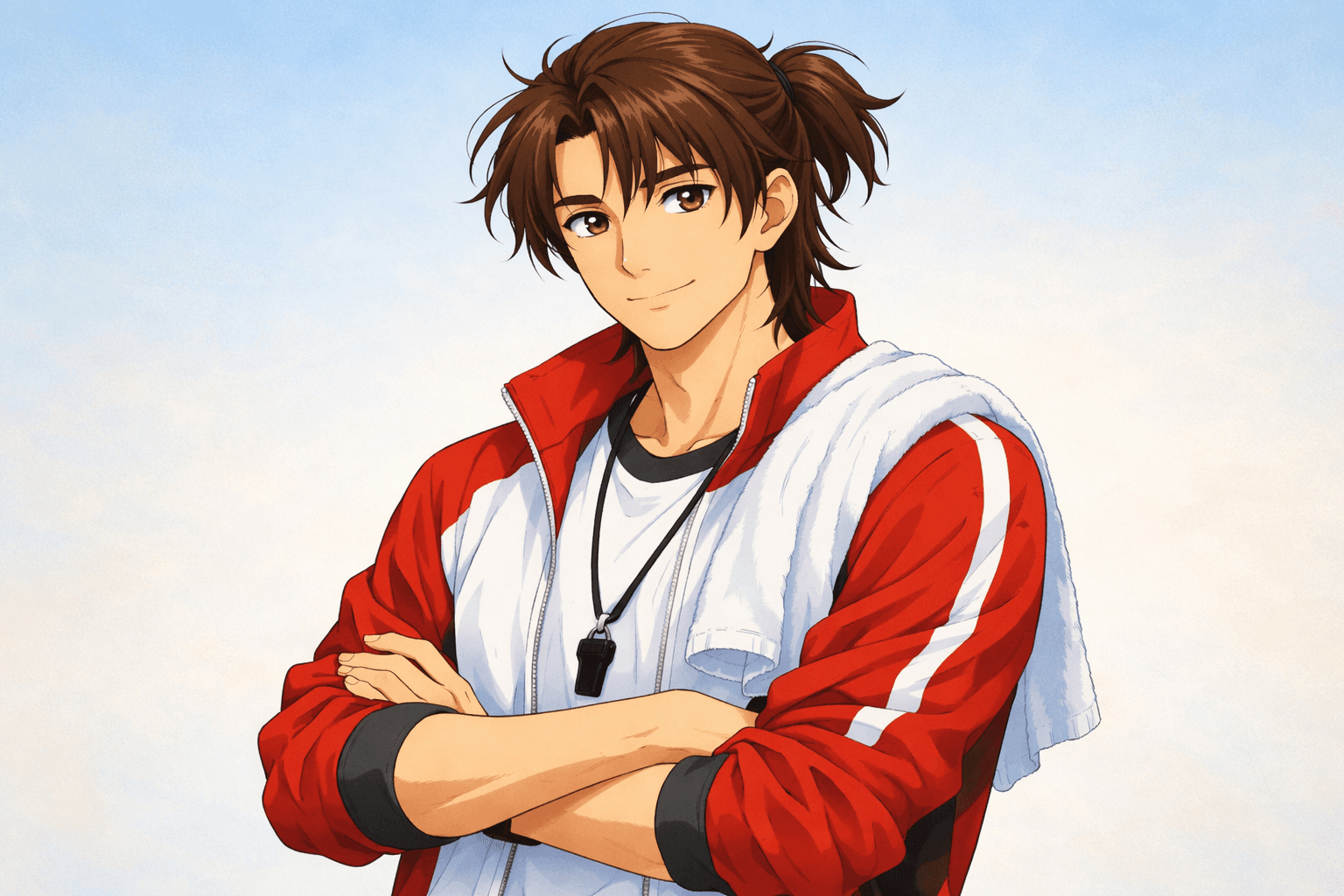
A great anime AI art prompt names three things: the style (Ghibli, shonen, cyberpunk), the subject and pose, and the rendering details (lighting, line weight, color palette). Skip any of these and most models default to a generic "anime girl" output. The prompts below are tested across Midjourney, DALL·E, and Stable Diffusion, organized by style, and ready to copy-paste.
Why Generic Anime Prompts Don't Work
You've probably tried prompting "anime girl with blue hair" and gotten something that looks more like a cartoon than authentic anime. The problem isn't the AI model; it's that most people don't understand how anime art style prompts for AI actually function. Real anime has distinct visual languages that change between studios, decades, and genres.
Studio Ghibli's soft watercolor backgrounds look nothing like the sharp digital aesthetics of modern mecha anime. Shojo romance uses different proportions than shonen action. If you want consistent, professional-looking results, you need to speak the model's language with precision.
The Three-Layer Approach to Anime Prompts
Effective anime midjourney prompts follow a specific structure. Think of it as three layers: the character foundation, the style reference, and the technical execution.
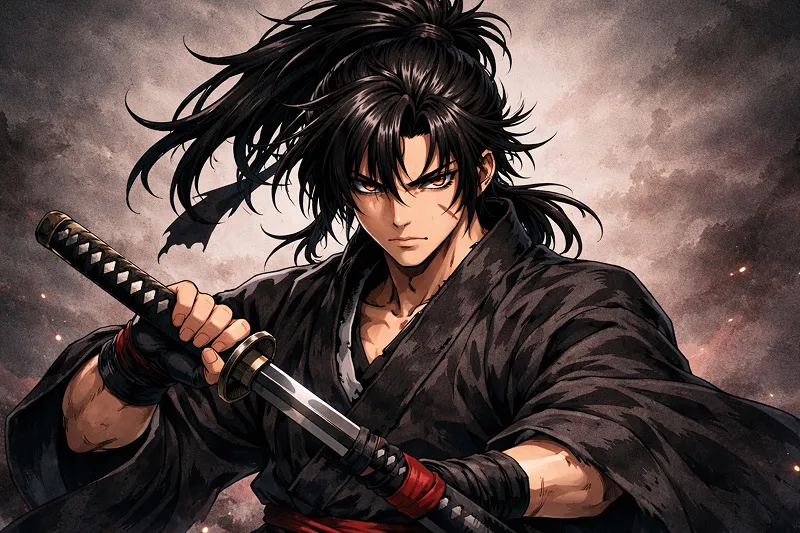
Layer 1: Character Foundation defines who you're creating. Instead of "anime character," specify the archetype: "magical girl," "stoic samurai," "mischievous fox spirit." Each archetype carries visual expectations that AI models understand.
Layer 2: Style Reference anchors your output to specific anime aesthetics. Reference actual studios, artists, or series: "Studio Trigger animation style," "Akira Toriyama character design," "90s OVA aesthetic." This gives the model a concrete visual target.
Layer 3: Technical Execution controls the final output quality. Aspect ratios, rendering styles, and camera angles all matter. Portrait ratios like 2:3 work best for character sheets, while 16:9 captures dynamic action scenes.
When you combine all three layers, you get prompts that produce consistent, authentic-looking anime art instead of generic cartoon characters.
Studio-Specific Style References That Actually Work
Different anime studios have signature visual styles that AI models recognize. Here's what actually produces results:
Studio Ghibli: Soft cel-shading, watercolor backgrounds, rounded character features, and warm color palettes. Add "Miyazaki character design" or "Princess Mononoke art style" to your ai anime art generator prompts.
Madhouse: Sharp line work, dramatic lighting, and detailed character expressions. Reference "Death Note animation style" or "One Punch Man character design" for that crisp, modern look.
Trigger: Exaggerated expressions, bold color choices, and dynamic poses. "Kill la Kill art style" or "Promare animation aesthetic" work well for high-energy characters.
Kyoto Animation: Incredibly detailed hair and eye rendering, soft lighting, and realistic proportions. Try "Violet Evergarden art style" or "K-On character design" for that polished look.
The key is being specific about which studio aesthetic you want. "Anime style" is too broad; "Studio Pierrot 90s OVA style" gives the model something concrete to work with.
Character Archetypes and Visual Codes
Anime characters follow visual shorthand that audiences instantly recognize. Understanding these codes helps you write better stable diffusion anime prompts.
Magical girls have specific design elements: elaborate costumes, oversized accessories, and bright color schemes. Mention "frilly dress," "star-shaped brooch," or "twin-tail hairstyle" to trigger these associations.
Mecha pilots lean toward practical clothing with military influences. "Flight suit," "tactical vest," or "pilot helmet" immediately signals this archetype to the AI.
Shrine maidens (miko) have traditional elements: red hakama, white kimono tops, and long black hair. These visual markers are so strong that mentioning "miko outfit" often generates the complete look automatically.
The more you understand these visual codes, the less you need to over-describe. Let the archetype do the heavy lifting, then add your unique details on top.
Food, Environments, and World-Building Elements
Anime isn't just characters. The environments, objects, and atmospheric details create the complete aesthetic. This is where many ai image prompts for anime characters fall short—they focus only on the person and ignore the world around them.
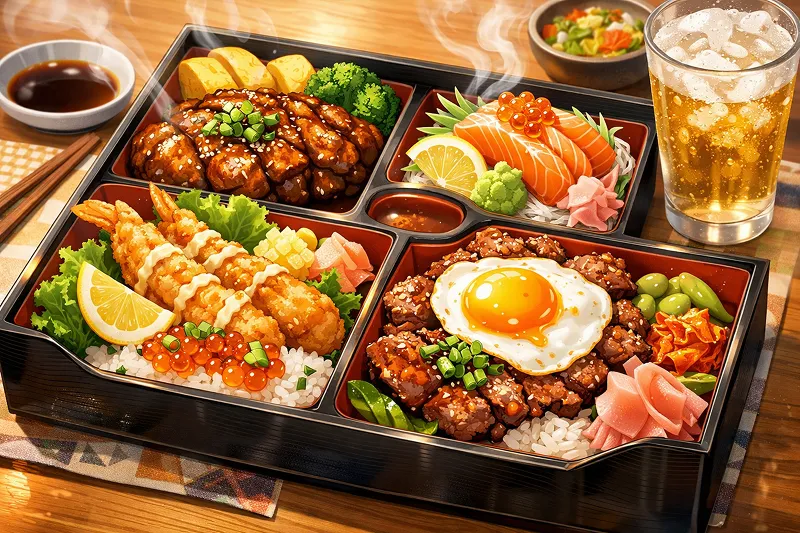
Food in anime has its own visual language. Everything looks impossibly appetizing with exaggerated steam effects, glossy surfaces, and perfect presentation. Whether it's a simple bowl of ramen or an elaborate bento box, anime food follows specific rendering conventions.
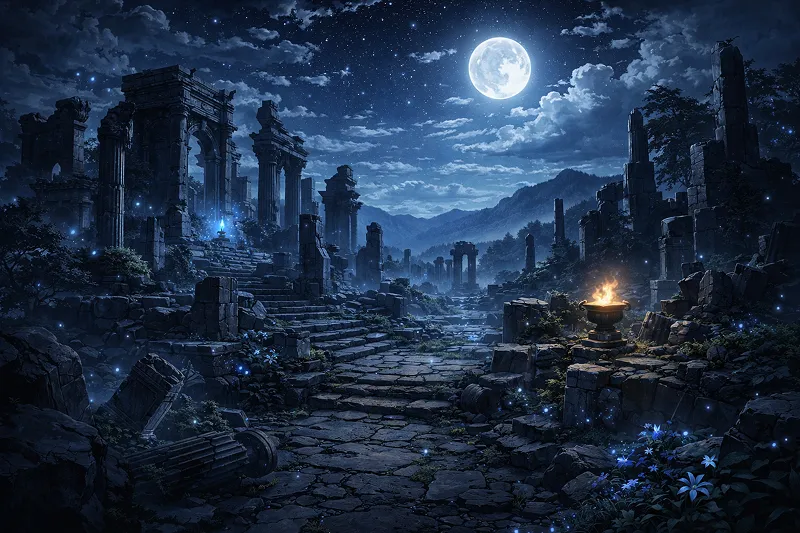
Environments tell stories through visual details. A cluttered Tokyo apartment suggests a different narrative than a pristine school hallway. Cherry blossoms indicate spring and new beginnings, while autumn leaves suggest change or melancholy.
Urban environments in anime often blend realistic architecture with fantastical elements. Neon signs, crowded streets, and impossibly clean subway stations create that distinctive anime city aesthetic.
Mecha and Fantasy Creature Design
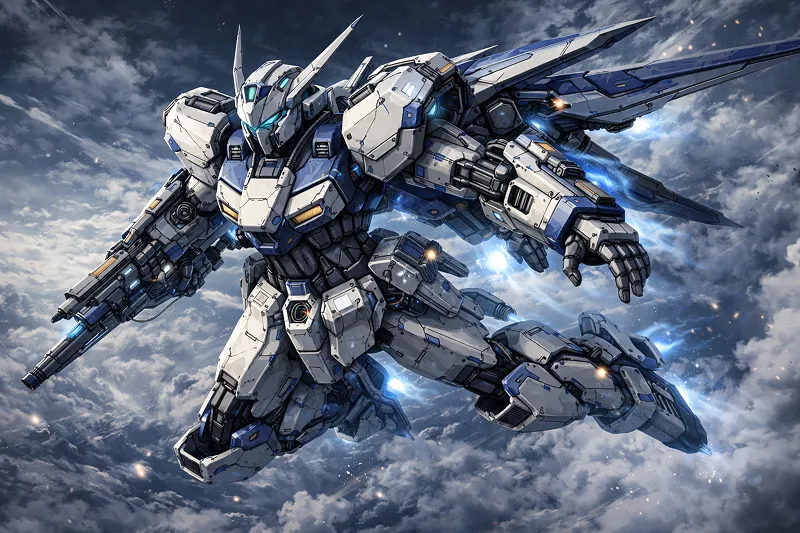
Mecha design in anime follows engineering logic even when the robots are fantastical. Panel lines, joint articulation, and weapon systems all have visual consistency. Real mecha anime like Gundam or Evangelion establish design languages that AI models can replicate.
When writing prompts for mecha, think about the pilot's relationship to the machine. Is it a tool, a partner, or something more mystical? This affects everything from cockpit design to the mecha's overall proportions.
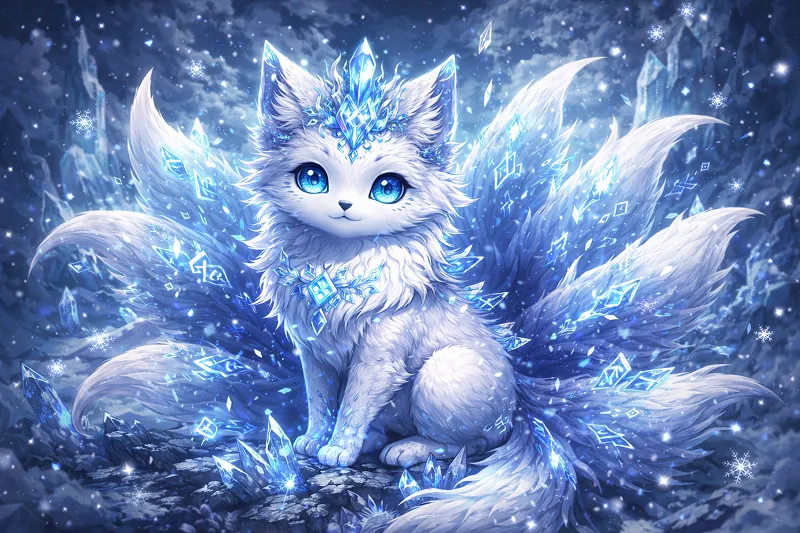
Fantasy creatures in anime blend traditional Japanese mythology with modern design sensibilities. Dragons might have Eastern or Western influences, but they're always rendered with that distinctive anime aesthetic—clean line work, expressive faces, and dynamic poses.
Technical Parameters That Make the Difference
The technical side of anime art style prompts for AI often gets overlooked, but it's crucial for professional results. Aspect ratios, quality settings, and style parameters all affect the final output.
For character portraits, use 2:3 or 3:4 ratios. These proportions match traditional anime character sheets and give you enough vertical space for full-body shots. Square ratios work for social media, but they often crop important details.
Action scenes need wider ratios like 16:9 or 21:9. These cinematic proportions capture the dynamic movement that makes anime fight scenes so compelling.
Quality settings matter more than most people realize. Higher quality values preserve fine details like hair texture and fabric patterns, but they can also introduce unwanted complexity. Start with moderate settings and adjust based on your specific needs.
Style parameters control how closely the output matches anime aesthetics versus photorealism. Most anime prompts benefit from moderate stylization—enough to capture the anime look without becoming abstract.
Common Mistakes That Ruin Anime Aesthetics
After analyzing thousands of Midjourney prompts and their outputs, certain patterns consistently produce poor anime results.
Over-describing facial features: Anime faces follow specific proportions. Saying "large eyes, small nose, pointed chin" often produces uncanny results because you're fighting the model's understanding of anime anatomy.
Mixing incompatible styles: "Realistic anime character" is an oxymoron. Anime is stylized by definition. Pick one aesthetic and commit to it.
Ignoring color theory: Anime uses color psychologically. Warm palettes suggest comfort and friendship, while cool palettes indicate mystery or sadness. Random color choices break the emotional connection.
Forgetting about lighting: Anime lighting is often dramatic and symbolic. Harsh shadows might indicate internal conflict, while soft lighting suggests peace or romance. Consider what your lighting choices communicate.
Building Your Anime Prompt Library
The most effective approach is building a personal collection of tested prompts that you can modify for different projects. Start with basic templates for common scenarios: school settings, fantasy worlds, modern cities, and rural landscapes.
Document what works and what doesn't. If a particular style reference consistently produces good results, note it for future use. If certain technical parameters cause problems, avoid them.
The image generation prompts collection on PromptCreek includes many anime-focused templates that follow these principles. They're designed to be customizable while maintaining consistent aesthetic quality.
Remember that anime art style prompts for AI are tools, not magic spells. The best results come from understanding both the visual language of anime and how AI models interpret that language. Start with proven techniques, then experiment to develop your own style.
For more specialized anime prompting techniques and ready-to-use templates, explore the full prompt collection or check out the curated bundles that focus on specific anime aesthetics and use cases.
Keep reading: our ChatGPT branding prompt templates, the full image generation prompt library, or curated prompt bundles for image work.
Anime AI art prompts FAQ
What is the best AI tool for anime art?
Midjourney produces the most consistent studio-quality anime, especially for character portraits and Ghibli-style scenes. Stable Diffusion (with anime-tuned checkpoints like Anything V5 or Counterfeit) gives you more control if you're comfortable with samplers and LoRA. DALL·E is best for quick, safe-for-work concept work but is weaker on stylistic anime.
Can I use these anime AI prompts commercially?
The prompts themselves are free to copy and modify. Whether the output can be used commercially depends on the AI tool's license — Midjourney Pro and Stable Diffusion outputs are commercial-friendly, while OpenAI's terms vary by plan. Always check your tool's current commercial-use policy.
How do I get a Studio Ghibli style with AI?
Lead the prompt with "Studio Ghibli style" or "Ghibli-inspired", then anchor it with painter cues — "soft watercolor backgrounds", "warm pastel palette", "hand-drawn line art" — and a specific scene (rural Japan, summer afternoon, quiet village). Generic "anime style" alone almost never returns Ghibli; the painter-cue specifics are what triggers it.
Why do my anime AI generations look generic?
You're missing one of the three required components: style, subject specifics, or render details. "Anime girl with sword" is style + vague subject + zero render. "Shonen-style protagonist, mid-action sword swing, dynamic camera, cel-shaded with thick black outlines, sunset rim lighting" hits all three.
Should I use Midjourney or Stable Diffusion for anime?
Midjourney is faster and more consistent out of the box — pick it if you don't want to manage models. Stable Diffusion is more flexible (custom anime checkpoints, LoRA, ControlNet) — pick it if you need a specific character, pose, or style you can't get from a base model. Both have strong anime communities and prompt libraries.
Prompts in This Article
Try these prompts mentioned above — click to view full details.
Anime Character Design Generator with Studio Style
Creates detailed anime character designs with customizable art styles, personality traits, and visual aesthetics perfect for manga, light novels, and character portfolios.
Anime Food and Culinary Art Illustration
Generates mouth-watering anime-style food illustrations with exaggerated appeal, steam effects, and the distinctive aesthetic that makes anime food look incredibly delicious.
Anime Environment and Background Art Generator
Generates stunning anime-style environmental artwork including cityscapes, fantasy worlds, and atmospheric scenes perfect for visual novels, anime productions, and concept art.
Trending Prompts
Comprehensive GTM Strategy Builder
Transform your product launch into a strategic success with this comprehensive go-to-market framework. This prompt generates detailed, actionable GTM strategies covering market analysis, positioning, pricing, distribution, and launch execution plans tailored to your specific product and market conditions.
LinkedIn Engagement Post Generator
Creates compelling LinkedIn posts optimized for audience engagement, profile growth, and professional networking. This prompt generates posts that encourage meaningful interactions through questions, insights, and valuable content while maintaining a professional yet personable tone.
Fashion Editorial Photography Prompt
Creates hyperrealistic editorial fashion photographs with authentic skin texture, premium fabric details, and cinematic lighting. Perfect for high-end fashion shoots and editorial styling.
Ready to level up your prompts?
Explore 403+ Marketing prompts for ChatGPT, Claude, Midjourney, and more on PromptCreek.